
 Prodigals and Those Who Love Them
 by Ruth Bell Graham
“I have, as wife and mother, a good cause – the best cause in the world – but lack the shoulders to support it. The job isn’t too big for me. I’m not big enough for the job.” (Thankfully, God IS big enough!)
“We mothers must take care of the possible and trust God for the impossible…We cannot convict of sin, create hunger and thirst after God, or convert. These are miracles, and miracles are not in our department.”
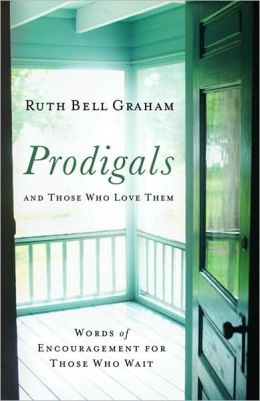
A year ago at our church ladies’ retreat, the speaker mentioned a book title that caught my attention: Prodigals and Those Who Love Them by Ruth Bell Graham, wife of the famous evangelist, Billy Graham. In her book, Mrs. Graham writes from the heart of a mom who knows what it is like to have a child stray from home, and our speaker shared how the book had been an encouragement to her as she experienced something similar with her son. At this time, my three children are young adults (ages 19-23) and thankfully they are all professing Christians. But I have more than one close family member whose spiritual condition I am particularly concerned about, so I set about getting my hands on a copy of Mrs. Graham’s book. It wasn’t what I expected: I was hoping for instructions on how to correct the situation (anyone who knows me, knows I’m a “fixer”), but it turned out to be better than that. (Isn’t it amazing how God always seems to know what we need better than we do!) Continue reading “Waiting for Them to Come Home: Prodigals and Those Who Love Them”

 by John Milton


 . Apparently, Mrs. Bradstreet anticipated the skepticism with which her poetry might be received. In her Prologue (above), she apologizes for her lowly attempts and begs the reader to forgive her for her simple verses. While she admits her poems cannot compare with those of the Greeks or other great poets, she humbly asks to receive due credit for her efforts. I imagine Mrs. Bradstreet would be amazed to know that her humble expressions of devotion for her family and her God are still read and admired today, since she didn’t initially intend to publish them at all.
 I'm All Booked