
Narrative of the Life of Frederick Douglass, An American Slave, Written by Himself

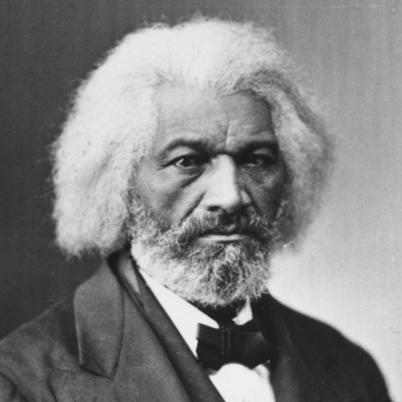 From my earliest recollection, I date the entertainment of a deep conviction that slavery would not always be able to hold me within its foul embrace; and in the darkest hours of my career in slavery, this living word of faith and spirit of hope departed not from me, but remained like ministering angels to cheer me through the gloom. This good spirit was from God, and to him I offer thanksgiving and praise.
Frederick Douglass made his debut as a public speaker at an anti-slavery meeting in 1841, at about the age of 23. Many people in the North were quite ignorant about how horrible the conditions of slavery were in the South; they wanted to believe that terrible stories they heard were exaggerations, that it certainly wasn’t all that bad. For this reason, the most effective element at an abolitionist meeting was the presence of a former slave, whose scarred back displayed the physical abuse he suffered, while his personal story would reveal his psychological scars. While their stories were told many times over, a written narrative created a permanent record for future generations and allowed the story to be more widely dispersed. Slave narratives not only provide evidence of the very real cruelties of slavery, they also exhibit the human intellect and emotion of the black man. Narrative of the Life of Frederick Douglass was published in 1845, one of thousands of slave narratives published between the years of 1820-1860. Continue reading “Christianity of America vs. Christianity of Christ, According to Frederick Douglass”

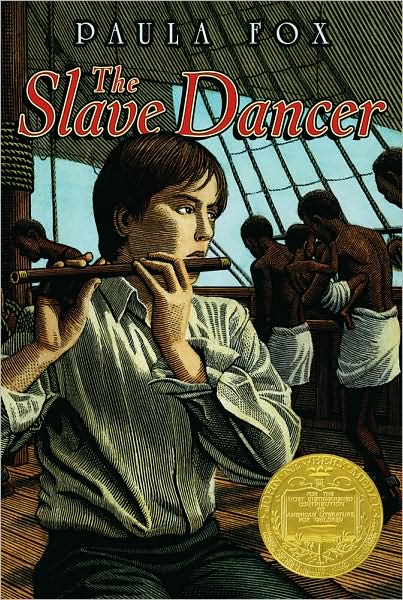
 by Paula Fox is inappropriate reading for the Junior High grade level due to the violent nature of the story. The plot focuses on a disturbing topic and has some graphic images, therefore some discretion should be used. But I don’t believe that is sufficient reason for keeping the book out of the hands of students. I am, however, discussing this book as a work that would be best read as a literature study with the guidance of a teacher or parent and accompanied by thoughtful discussion. In my opinion, it’s not the kind of book you just give a ten-year-old for independent recreational reading.

 I'm All Booked